Highbury guide to council recycling and rubbish rules
Posted on 18/08/2026
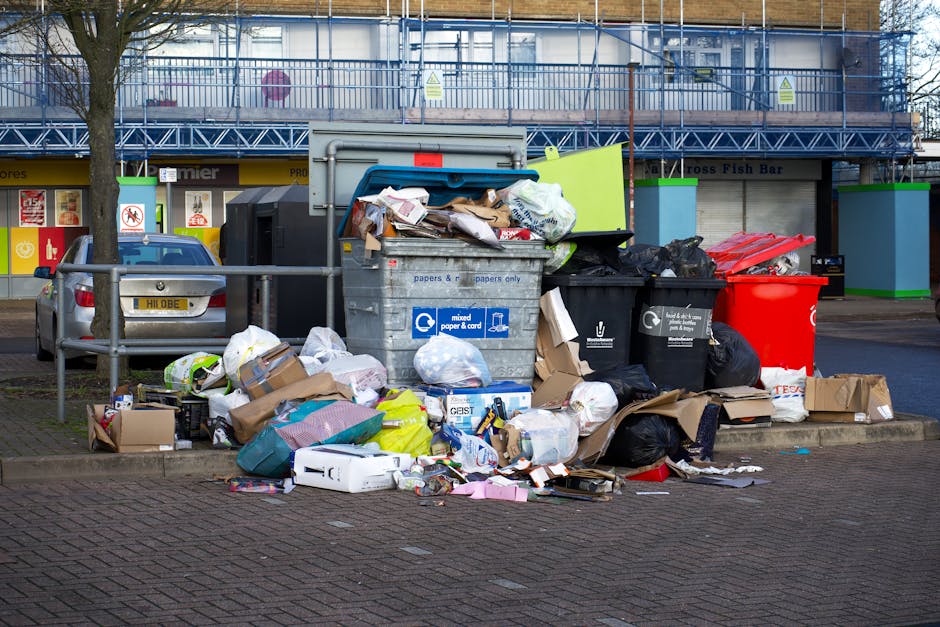
If you live, work, rent, or manage property in Highbury, the day-to-day rules around recycling and rubbish can feel oddly specific. One wrong bag in the wrong bin, a bulky item left out at the wrong time, or garden waste bundled badly enough, and suddenly a simple clear-out becomes a nuisance. This Highbury guide to council recycling and rubbish rules is here to make that less confusing. It breaks down what usually belongs where, how collection routines tend to work, what to watch for in flats and shared buildings, and how to stay on the right side of local waste expectations without overcomplicating it.
Whether you're sorting a spring declutter, handling shop waste, dealing with a loft full of forgotten stuff, or just trying to avoid the "is this recycling or not?" moment at 7am, the practical answer is usually simpler than people think. Still, the details matter. Let's get them straight.
Why Highbury guide to council recycling and rubbish rules Matters
Highbury is busy, dense, and a bit of a mix when it comes to homes and buildings. You have mansion blocks, converted flats, terraces, small businesses, offices, and plenty of people putting waste out from very different types of properties. That mix is exactly why council recycling and rubbish rules matter here more than in a place with big driveways and plenty of storage space.
When people ignore the rules, the problems are rarely dramatic at first. It starts with one missed collection, a bin lid that won't close, or a recycling container contaminated by the wrong items. Then it snowballs. Rubbish can smell, attract pests, block pavements, upset neighbours, or create disputes in shared buildings. To be fair, nobody enjoys being the person whose bin cupboard causes a minor diplomatic incident.
On the flip side, following the right habits saves time, keeps communal areas tidier, and makes it easier to deal with things like clear-outs, refurbishments, and bulky waste. If you're planning anything larger, it also helps to understand the wider waste landscape in the area. For example, some households only need routine bin sorting, while others may need support with house clearance in Highbury, loft clearance, or even a one-off furniture disposal.
How Highbury guide to council recycling and rubbish rules Works
At a practical level, the system usually comes down to three things: separating materials correctly, presenting them in the right container or collection format, and making sure larger or unusual items are disposed of through the right channel. That sounds obvious, but in real life it's where most mistakes happen.
Typical household waste falls into a few broad categories:
- General rubbish - items that cannot be recycled through standard household streams.
- Mixed recycling - clean, dry items that the local collection service accepts.
- Food waste - where a separate food caddy or collection is provided.
- Garden waste - for cuttings, leaves, small branches, and similar organic waste, if your property uses that service.
- Bulky waste - larger items such as mattresses, wardrobes, broken chairs, or white goods.
In many Highbury flats, the real challenge is not the rules themselves, but the storage and access. You might have a shared bin store, limited space in a hallway, or a basement collection point. If that sounds familiar, it can help to read about the practical issues in common flat rubbish access problems and solutions. Quite a few residents discover the issue is not "what can I recycle?" but "where on earth do I put it before collection day?"
For businesses, the picture changes again. Offices, shops, and hospitality venues often create more packaging, more food waste, and more mixed materials. In those settings, keeping clear records, using a licensed carrier when needed, and separating waste streams sensibly becomes part of everyday operations. If that is your world, commercial waste removal in Highbury may be the more relevant route than standard domestic bin collections.
Key Benefits and Practical Advantages
Getting council recycling and rubbish rules right is not just about avoiding a telling-off. There are several practical upsides, and most of them are pretty immediate.
- Cleaner shared spaces - bin areas stay more manageable and less unpleasant.
- Fewer collection problems - you reduce rejected bins and missed lifts.
- Less contamination - recycling is more likely to be accepted when sorted properly.
- Lower stress during clear-outs - you know what needs special handling.
- Better neighbour relations - especially in blocks where everyone shares the same bin point.
- Safer disposal of awkward items - things like appliances and builders' debris go where they should.
There is also a less obvious benefit: you start noticing waste patterns. Once you see how much packaging, food waste, or old furniture builds up in a month, it becomes easier to cut clutter before it starts. That sounds a bit lifestyle-blog-ish, but it's true. A tidy waste routine often leads to a tidier home.
For landlords, letting agents, and homeowners preparing a move, the benefits are even more practical. Good sorting makes clear-outs faster and cheaper. It can also reduce the amount of material that needs a special collection rather than ordinary bin disposal. If you are comparing broader rubbish options, the detailed guidance on waste clearance in Highbury and rubbish collection in Highbury may help you decide what fits best.
Who This Is For and When It Makes Sense
This guide is for anyone in Highbury who wants to handle waste properly without second-guessing every bin lid. In practice, that includes:
- flat owners and tenants
- shared-house residents
- landlords and managing agents
- shop owners and office managers
- builders and decorators
- people doing a garage, loft, or garden clear-out
- families downsizing or moving home
It makes particular sense when you are dealing with anything beyond normal weekly household rubbish. A couple of cereal boxes and a fruit peel? Easy. A broken wardrobe, a builder's rubble pile, a fridge, or a van load of old office chairs? That's where rules, access, and proper disposal start to matter.
For example, if you're renovating a flat in Highbury, builders' leftovers should not be treated like ordinary bin waste. Materials like plasterboard, timber offcuts, tiles, packaging, and broken fixtures need thought. In those situations, a dedicated service such as builders waste disposal in Highbury is often a more practical fit than waiting for council collections. The same goes for more localised jobs such as N5 builders waste disposal if the work is tied to a smaller site or a property with limited access.
If you are clearing out a garage full of mixed bits and pieces, it can be worth looking at garage clearance support too. And if the problem is an attic that has become a time capsule of old suitcases and boxes, loft clearance help is often more sensible than trying to haul everything down a narrow staircase yourself. Narrow staircases and awkward turns... yes, Highbury has plenty of those.
Step-by-Step Guidance
If you want a clean, low-drama way to deal with recycling and rubbish rules, use this sequence. It sounds basic, but it works.
- Separate waste by type
Start with the obvious split: recycling, general rubbish, food waste, and anything bulky or hazardous. Do not wait until the night before collection; that is where mistakes creep in. - Check what is accepted locally
Different materials are treated differently. Some items that look recyclable are not accepted if they are dirty, mixed with food, or made of multiple bonded materials. - Clean containers lightly
You do not need to scrub packaging like it is going on display, but food residue can be enough to spoil a load of recycling. - Flatten and bundle where sensible
Cardboard and some packaging can take up much less space if flattened. That matters in flats where storage is limited. - Set out waste on the correct day and in the correct place
Timing matters, especially where bin stores or kerbside collections are shared. Put things out too early and they become a nuisance; too late and they may miss collection. - Handle bulky items separately
Furniture, appliances, and awkward loads need a different approach. They are not ordinary bin waste. - Use licensed help when needed
For bigger jobs, use a carrier that can handle transport and disposal responsibly. If you want to understand what compliance looks like in practice, the page on waste carrier licensing and compliance is a useful reference point.
A simple example: say you are replacing a sofa, a bedside table, and a broken microwave. The sofa goes into furniture disposal, the microwave into appliance disposal, and the packaging into recycling if it is clean. One job, three waste streams. Slightly annoying, yes. But manageable.
If you are dealing with household overflow after a big declutter, the right route may be a broader waste disposal service in Highbury. That can be a lot more efficient than trying to break everything into tiny batches and hoping the bin gods are in a good mood.
Expert Tips for Better Results
The best waste routines are not complicated. They are consistent. A few small habits make a noticeable difference.
- Keep a recycling caddy or bag near where waste is created. In kitchens, that usually means beside the main bin rather than across the room.
- Do a five-minute sort before collection day. One quick check catches contamination and stray items.
- Store bulky pieces as compactly as possible. Dismantle flat-pack furniture where you can. It helps more than people expect.
- Separate wet and dry waste early. Once cardboard or paper gets damp, it becomes much harder to recycle cleanly.
- Keep a note of special items. If you know a bulb, battery, appliance, or paint tin needs separate handling, put it aside immediately.
One thing I always tell people: don't make your bin area do the work of a storage room. It seems harmless until the cupboard starts smelling faintly of bananas and old packaging. Then, well, everyone notices.
For businesses, an extra tip is to train staff on a couple of simple waste rules rather than sending out long memos no one reads. A one-page internal guide works better than a policy document that lives, unloved, in a shared drive. If your premises generate varied waste, you may also find the service pages for office clearance and rubbish removal for Highbury shops and offices useful when planning occasional larger clear-outs.
Common Mistakes to Avoid
Most waste problems are not caused by bad intentions. They come from shortcuts, assumptions, or one very busy morning. Here are the recurring mistakes worth avoiding.
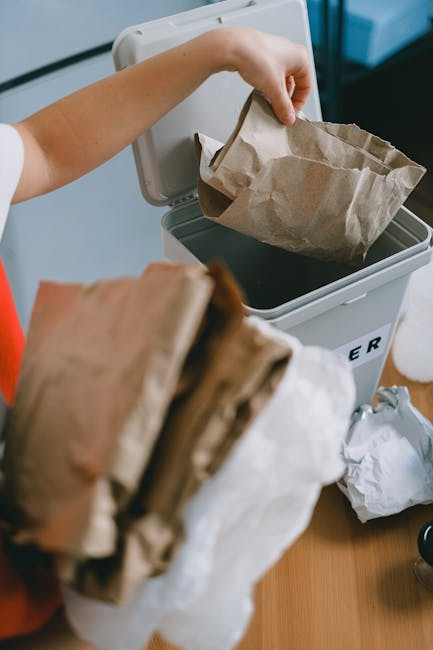
- Mixing recyclable and non-recyclable waste - one dirty item can spoil a whole container.
- Leaving items in the wrong place - communal entrances, pavements, and shared hallways can become trip hazards.
- Treating bulky waste like normal rubbish - large items often need separate collection or disposal arrangements.
- Assuming everything electronic can go in general waste - appliances need more care.
- Overfilling bins - lids that cannot close are a common reason for collection issues.
- Using unlicensed disposal help - cheap can become expensive if waste is dumped illegally later.
Another common slip-up is underestimating access. In Highbury, lots of properties involve narrow stairwells, top-floor flats, basement entrances, or awkward front steps. If your waste removal plan ignores access, the job can stall halfway through. That is one reason many residents prefer services designed around difficult access, especially when dealing with larger jobs. There is a useful local discussion of that in bulky rubbish collection and disposal in Highbury Fields.
And if you are choosing between a skip and a man-and-van style collection, take a moment before you book. It is not always the obvious choice. You can compare the practical trade-offs in Highbury N5 skip alternative rubbish removal options. Sometimes a skip is right. Sometimes it's overkill. As ever, it depends.
Tools, Resources and Recommendations
You do not need fancy equipment to keep waste under control, but a few simple tools help.
- Recycling labels or stickers for shared bin stores.
- Durable bin liners for general rubbish, especially in busy households.
- A small crate or basket for batteries, small electronics, and other odd bits awaiting proper disposal.
- A screwdriver or basic tool kit for dismantling furniture before disposal.
- Gloves for lofts, gardens, and old storage spaces.
- Cardboard cutters or tape scissors for flattening packaging cleanly.
For bigger jobs, a good first step is simply understanding what type of service you actually need. A household clear-out is different from a builders' load, and an office refresh is different again. The broader services overview can help frame the decision, while the more specific pages on furniture removal, garden waste removal, and white goods and appliance disposal are useful when the waste type is obvious.
If pricing is one of your concerns, it is worth reading the local pricing guidance before you book anything. You can also compare notes in the Highbury rubbish removal prices guide and how to avoid hidden fees in rubbish clearance quotes. That sort of prep saves awkward surprises later. And yes, the small print really does matter.
Law, Compliance, Standards, or Best Practice
Waste disposal in the UK is not just a neatness issue; it is a compliance issue. You do not need to memorise legislation to be sensible about it, but you do need to understand the broad responsibilities.
As a rule of thumb, householders should present waste correctly, avoid obstructing pavements or entrances, and use the appropriate collection route for bulky, hazardous, or unusual items. Businesses have a higher duty to manage waste carefully, keep records where relevant, and make sure it is passed to a competent and licensed operator. That is why waste carrier compliance matters so much when you book a collection.
There is also a safety angle. Heavy items, broken glass, sharp metal, old appliances, damp waste, and construction debris all carry risk if handled badly. Good practice means using the right lifting methods, wearing suitable PPE when needed, and not forcing items through awkward spaces just to save ten minutes. That's how backs get tweaked and hallways get scratched. Not worth it.
For specialist or larger jobs, you may want to think about the nature of the waste itself:
- Construction waste should be separated from household rubbish where possible.
- Commercial waste should be handled with a clear disposal trail.
- Electrical items should not be treated like ordinary black-bag waste.
- Furniture and white goods often need separate handling because of size and material mix.
If you manage a flat, a converted building, or an estate-style block, best practice also includes keeping communal waste areas tidy enough for everyone to use safely. That is one of those small things that improves the feel of a whole building. A tidy bin store is not glamorous, but it changes the mood of the place, honestly.
Options, Methods, or Comparison Table
Depending on what you are throwing away, you generally have a few disposal routes. The right one depends on volume, item type, access, and how quickly you need it gone.
| Option | Best for | Pros | Watch out for |
|---|---|---|---|
| Routine council recycling and rubbish collections | Weekly household waste and accepted recyclables | Simple, familiar, usually the easiest option | Limited space, contamination, and item restrictions |
| Bulky waste collection or one-off clearance | Furniture, appliances, mixed household items | Less lifting for you, faster emptying of space | May need booking, item preparation, or separate sorting |
| Builders waste disposal | Renovation debris, offcuts, rubble, packaging | Better suited to construction-type loads | Access and loading can be tricky in tight streets |
| Garden waste removal | Cuttings, branches, turf, green waste | Keeps organic waste out of general rubbish | Mixing soil, pots, and treated timber can complicate things |
| Commercial waste removal | Offices, shops, and managed premises | More flexible for business needs | Needs sensible planning and proper compliance |
In practical terms, most people in Highbury will use a combination of these methods over time. A weekly bin setup handles the routine stuff. Then a one-off collection takes care of the awkward overflow items. If you are replacing old cabinets, for example, the furniture removal route is usually cleaner than trying to squeeze everything into the usual bins, which nobody wants to do anyway.
Case Study or Real-World Example
Imagine a small flat in Highbury New Park after a few years of "we'll deal with that later." There is a broken desk, two bagged piles of clothes, an old toaster, flattened packaging from a delivery spree, and a shelf unit with one wobbling side panel. Nothing extreme. Just enough to create clutter.
The sensible approach is to split the waste before anything leaves the flat. Cardboard and clean packaging go to recycling. The toaster joins appliance disposal. The broken desk and shelf unit move into furniture waste. Bagged clothes can be donated if suitable, but if they are not, they need a disposal route that matches local guidance. Once sorted, the flat feels bigger almost immediately. You can hear your own footsteps again, which is always a strangely satisfying sign.
Now compare that with a loft in the same area, filled with old suitcases, insulation scraps, stale boxes, and a broken chest of drawers. That job needs planning, access checks, and probably a proper clearance approach rather than piecemeal bin runs. It is exactly the kind of situation where a dedicated loft clearance solution in N5 makes more sense than improvising all weekend and regretting it on Sunday evening.
If you want a before-and-after style reference point, there is also a useful local example in the Highbury New Park clearance case study. Real spaces tend to be messy in very normal ways, which is comforting, really. It means most waste problems are solvable with a decent plan and a bit of patience.
Practical Checklist
Use this checklist before collection day or before you book a larger removal job.
- Have I separated recycling from general rubbish?
- Are food containers reasonably clean and dry?
- Have I checked whether any items need special disposal?
- Is bulky waste stored safely and out of the way?
- Do I know which items are going to furniture, appliance, garden, or builders waste streams?
- Have I avoided overfilling bins or blocking shared access areas?
- If this is a business waste job, is the carrier appropriate and compliant?
- Do I need help with lifting, access, or transport?
- Have I checked pricing and any likely extras before booking?
- Will the job be easier if I dismantle items in advance?
That last one is a classic. Sometimes taking off a couple of legs, a shelf, or a door saves more hassle than you expect. Small effort, big payoff. Funny how often that happens.
Conclusion
The main thing to remember is that Highbury recycling and rubbish rules are less about perfection and more about sensible routine. Sort waste early, keep recyclables clean enough to be useful, treat bulky items separately, and use the right disposal route for awkward loads. That simple approach prevents most headaches before they start.
For households, it keeps things tidy and manageable. For landlords and businesses, it helps protect access, safety, and compliance. And for anyone doing a clear-out, it turns a messy job into something you can actually finish without the whole day disappearing. Which, let's be honest, is the dream.
If you are planning a bigger clear-out, renovation, or mixed waste job in Highbury, it is worth comparing your options carefully and choosing the route that fits the space, the waste type, and the timing.
Get a free quote today and see how much you can save.