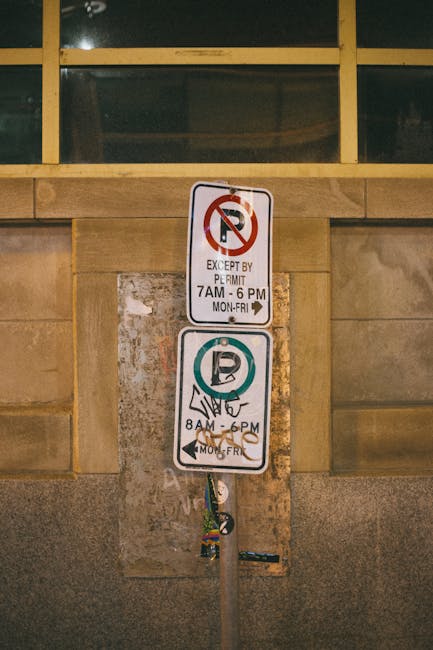
Islington council bulky waste permits explained for Highbury
Posted on 22/10/2026
If you are dealing with an old sofa, a broken wardrobe, or a pile of renovation leftovers, the phrase Islington council bulky waste permits explained for Highbury can feel a bit more complicated than it ought to. The good news? Once you understand what a bulky waste permit is, when it applies, and what your realistic options are, the whole process becomes much easier to handle.
Highbury homes come in all shapes and sizes, from compact flats with awkward stairwells to larger family properties with shared entrances, basement access, and not much room to spare. That is exactly where bulky waste rules start to matter. In this guide, we will break down how council permits work, what they are for, and how to decide whether a permit, a council collection, or a private clearance service is the better fit for your situation.
We will keep it plain-English, practical, and local. No waffle. Just the kind of advice that helps you avoid delays, surprise costs, and the classic "where on earth do I put this until collection day?" problem.
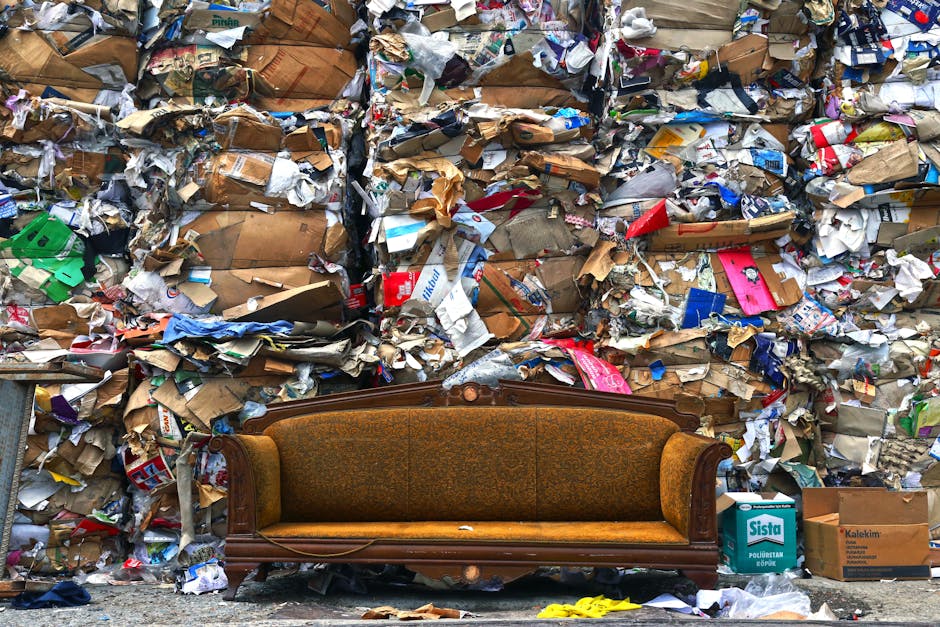
Why Islington council bulky waste permits explained for Highbury Matters
Bulky waste sounds simple until you are standing in a hallway with a damaged mattress, a chipped dining table, and a few bags of odds and ends that do not fit in the normal bin. In Highbury, that can be especially awkward because many properties have shared entrances, controlled parking, narrow pavements, and limited storage. A misunderstanding about permits can quickly turn into missed collections or waste left sitting around longer than you planned.
So why does this topic matter? Because bulky waste removal is not just about getting rid of "big stuff". It is about choosing the right route for disposal, staying within the council's rules, and making sure your items are handled responsibly. If you are a tenant, landlord, homeowner, or managing a flat conversion, the permit question can affect timing, access, and whether the job is accepted at all.
There is also a practical side. Let's face it, nobody wants to drag a heavy chest of drawers down two flights of stairs only to find out the collection was booked incorrectly. A clear understanding of how bulky waste permits work helps you avoid that frustration. And in a busy part of North London, a bit of clarity saves a lot of hassle.
Practical takeaway: if your waste is too large for standard bins, or it needs to be moved from inside a property or shared building, check the collection rules first. The "obvious" option is not always the right one.
How Islington council bulky waste permits explained for Highbury Works
At a basic level, a bulky waste arrangement is a way to have large household items collected and removed in line with local rules. In some situations, the council may offer a scheduled bulky waste collection service; in others, access, parking, or property-specific conditions mean extra planning is needed. People often use the word "permit" loosely, but what they usually mean is the approval or booking arrangement required before the waste can be collected.
Here is the simple version. First, you identify what needs to go. Then you check whether the items are eligible for the collection route you want to use. After that, you book the service, follow the set-out instructions, and make sure the waste is ready on the agreed day. If the items are mixed with general rubbish, contain prohibited materials, or are left in the wrong place, the job may be delayed or refused.
In Highbury, access is often the hidden variable. A front garden, basement flat, permit-controlled road, or communal bin store can all affect how a collection needs to be organised. You might think, "It's only one sofa." But if that sofa cannot be moved safely through the building or cannot be placed where the crew expects it, the whole process gets messy quite quickly.
If your situation is more complex than a straightforward curbside pickup, it can help to compare it with other rubbish disposal options in the area. For example, a local rubbish collection service in Highbury may be more suitable if you need a faster, more flexible removal window. Likewise, a waste clearance in Highbury can be a better fit when items are spread across several rooms rather than neatly stacked outside.
The important thing is not to guess. Permits and collection approvals are one of those things where a two-minute check can save a whole afternoon.
Key Benefits and Practical Advantages
When used properly, bulky waste permits and council collection arrangements do a few useful jobs at once. They help organise disposal, reduce illegal dumping, and give residents a clear path for dealing with large items that cannot simply go in the normal household waste stream.
For Highbury residents, the biggest advantages usually look like this:
- Less uncertainty: you know what can be collected, where it needs to be placed, and when it will happen.
- Cleaner common areas: useful in flats and shared buildings where waste left in a hallway becomes everyone's problem.
- Better access planning: especially where stairways, narrow landings, or controlled parking make collection awkward.
- Lower risk of refusal: when you know the rules beforehand, you are less likely to have items rejected on the day.
- More responsible disposal: bulky waste is often handled separately from everyday rubbish, which helps with sorting and recovery where appropriate.
There is also a quieter benefit that people do not always mention: peace of mind. If you are juggling work, family, or a move, the last thing you need is a confusing disposal process. A proper plan means less mental clutter too. Sounds obvious, but it matters.
For those comparing wider waste options, it may also be useful to look at waste disposal in Highbury and house clearance in Highbury if the job is bigger than a single bulky item. Sometimes the smartest choice is not the cheapest on paper, but the one that finishes the job properly the first time.
Who This Is For and When It Makes Sense
Bulky waste permits and council collection rules are relevant to more people than you might think. If you live in Highbury and have one or more large items to remove, you are probably in scope. The exact route depends on what you have, how much of it there is, and how easy it is to access.
This matters particularly for:
- Flat owners and renters with no storage space for large unwanted items.
- Landlords and letting agents clearing items left behind between tenancies.
- Families replacing furniture, mattresses, or children's equipment.
- People moving home who want to avoid dragging old items into a new place.
- Older residents or carers dealing with bulky possessions that are no longer practical to keep.
- Small businesses where the waste is domestic-style but the premises still need careful access planning.
It also makes sense when the item is awkward rather than numerous. One old wardrobe can be more of a problem than six bags of light rubbish. Why? Because bulky items are difficult to move safely, difficult to fit into ordinary bins, and difficult to leave lying around while you "deal with it later". We all know how that goes.
If the items are furniture or white goods, you may want to compare disposal routes. A dedicated furniture removal service in Highbury or appliance disposal service in Highbury can sometimes be more practical than waiting for a council window, especially if access is tight or the schedule is urgent.
In some cases, the best answer is a blend of methods. Maybe the council can take one item, but not the whole lot. Maybe you need a clearance for the heavier pieces and local disposal for smaller bits. That is normal. Real homes are rarely neat, tidy categories.
Step-by-Step Guidance
If you want a straightforward way to handle bulky waste in Highbury, use this process. It is simple enough, but it helps to be methodical.
- List the items clearly. Write down exactly what needs removing. Include size, quantity, and whether anything is damaged, broken, or heavy.
- Separate bulky waste from general rubbish. Keep old furniture, mattresses, appliances, and mixed junk apart from everyday bagged waste. This makes booking easier and avoids confusion.
- Check access. Think about stairs, lifts, parking, front paths, and whether the items can actually get out of the property safely.
- Confirm the collection route. Decide whether a council collection, permit arrangement, or private service is the better match for your situation.
- Book early where needed. Do not leave it until the last minute if you need a specific day, especially around a move or refurbishment.
- Follow set-out instructions precisely. Put items in the right place and at the right time. One missed instruction can mean the collection is refused.
- Keep proof and notes. Save the booking details, reference number, or confirmation email. Old-school, yes, but useful.
- Check the area after collection. Make sure nothing small has been left behind. Screws, cushions, chair legs, and broken fittings tend to hide in plain sight.
That is the practical version. The less glamorous version is that most collection problems come from the same few things: wrong timing, unclear item lists, poor access, or waste being left in the wrong spot. Not dramatic. Just annoying. And avoidable.
If you are arranging a bigger clearance, such as a loft, garage, or end-of-tenancy cleanout, it may be worth combining the job with loft clearance in Highbury or office clearance in Highbury, depending on the property type. Sometimes one well-planned visit beats several smaller ones.
Expert Tips for Better Results
From experience, the smoothest bulky waste jobs are the ones where the planning happens before anyone starts lifting. A little preparation really does go a long way.
1. Measure the awkward items. If a wardrobe only fits through the hallway when tipped sideways and the hallway is narrow, say so early. Don't leave it to chance.
2. Photograph the waste if you are unsure. A quick picture of the item and access route can help clarify what is involved. It takes seconds, and it prevents misunderstandings.
3. Keep mixed materials apart. Wood, fabric, metal, and electrical items may need different handling. Mixing everything together can complicate collection or disposal.
4. Plan around building rules. In flats and managed blocks, collection times, lift use, loading bays, and noise limits can all matter. Check before you move anything heavy at 7am. Neighbours will remember.
5. Think about safety first. A mattress dragged down stairs in a rush is how people end up with sore backs and chipped walls. Slow is often faster in the end.
6. Ask what happens if the collection cannot be completed. If access fails, the item is too large, or the waste is not as described, know whether a second visit, alternative route, or amended booking is needed.
One small but helpful habit: keep a "disposal pile" in one place for a day or two before the collection. It stops odd bits from spreading into every corner of the flat. Slightly boring advice, maybe. Extremely useful, though.
If you are comparing disposal routes, a service such as furniture disposal in Highbury or builders' waste disposal in Highbury may be relevant depending on whether your items are household furniture or renovation debris. The category matters more than people often realise.
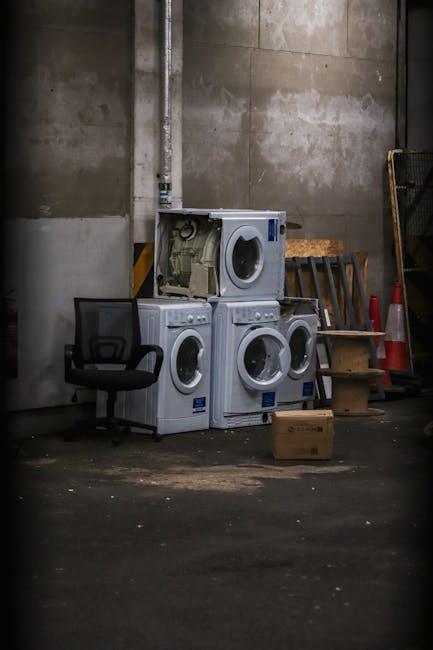
Common Mistakes to Avoid
Bulky waste collections usually go wrong in predictable ways. The encouraging part is that most of them are easy to avoid once you know what to watch for.
- Assuming all large items are eligible. Some items need special handling or a different route altogether.
- Leaving items inside the property when the instructions require them outside. This is a very common reason for missed collections.
- Mixing bulky waste with regular rubbish. It looks efficient, but it often creates more problems than it solves.
- Forgetting about access. Shared hallways, parked cars, locked gates, and narrow staircases can all cause delays.
- Booking too late. If you need the space cleared before handover, do not leave the arrangement to the final day.
- Not checking the council or service conditions. A quick read of the rules is not exciting, but it is far better than an unpleasant surprise.
There is another mistake people make, and it is a quiet one: they underestimate the physical effort involved. A single heavy item can become a two-person job very quickly. If you are unsure, do not wrestle with it for the sake of pride. Your back will not thank you.
For residents who want a better sense of the broader rules around local waste handling, it is worth reviewing how council recycling and rubbish rules in Highbury fit into the bigger picture. That context helps when deciding whether a bulky item belongs in a special collection or another disposal stream.
Tools, Resources and Recommendations
You do not need a truckload of equipment to deal with bulky waste properly, but a few simple tools make life easier.
- Measuring tape: useful for checking whether items will fit through doors, lifts, or stair turns.
- Strong gloves: helpful for splinters, rough edges, and dusty items from lofts or sheds.
- Phone camera: a quick photo can prevent confusion and help with booking.
- Labels or sticky notes: handy if several items are being cleared from different rooms.
- Heavy-duty bags or wraps: useful for loose fittings, cushions, and small detached parts.
- Access notes: write down gate codes, loading restrictions, or parking details before collection day.
In terms of useful pages, it can help to compare the local services available rather than thinking of bulky waste as one single category. For example, the services overview gives a broader sense of what is typically available, while pricing and quotes is helpful if you are trying to compare the likely cost of different collection options.
Some households also find it useful to review insurance and safety information before arranging removal, especially when large items need to be moved through stairs or shared spaces. That is not overcautious. It is sensible.
And if you care about where the waste goes after collection, the recycling and sustainability page is a good reminder that disposal is not only about removal. It is about responsible handling too.
Law, Compliance, Standards, or Best Practice
Because bulky waste can touch on local regulations, access rules, and responsible disposal, compliance matters. The exact arrangements can vary depending on the collection method and the property type, so it is wise to treat any local guidance carefully and not assume the process is identical for every address in Highbury.
Good practice usually includes:
- making sure the waste is described accurately
- placing items where instructed
- separating prohibited or hazardous materials
- using a legitimate disposal route for any collected waste
- respecting parking, access, and communal area rules
For private removal work, it is also sensible to check that the business handling your waste operates responsibly. A company should be able to explain how it manages waste transport and disposal, and whether it follows proper carrier and compliance expectations. If you want to understand that side better, the page on waste carrier licence and compliance is a useful reference point.
Best practice is not just about avoiding fines or complaints, although that is part of it. It also helps ensure waste does not end up dumped, mishandled, or left behind in a communal space. In a tight urban area like Highbury, that matters more than people sometimes realise. One careless collection can annoy a whole row of neighbours.
If you are dealing with items from a commercial setting, such as a shop, studio, or office near Highbury, the rules and logistics can shift slightly. In that case, commercial waste removal in Highbury may be the more appropriate route, especially where business waste categories are involved.
Options, Methods, or Comparison Table
Choosing the right disposal route is often the real decision. The table below gives a practical comparison of the main options people consider when they need bulky waste cleared in Highbury.
| Option | Best for | Pros | Possible drawbacks |
|---|---|---|---|
| Council bulky waste collection | Simple household bulky items | Structured, familiar, suitable for straightforward jobs | May have stricter set-out rules, timing windows, or eligibility limits |
| Private bulky waste removal | Urgent jobs, awkward access, mixed items | More flexible, often faster, can handle more complex clearances | Usually chosen for convenience rather than the lowest price |
| House clearance service | Multiple rooms or larger volumes | Covers more than just one item, useful for full clear-outs | May be more than you need for a single bulky object |
| Item-specific removal | Furniture, appliances, or building debris | Targeted and efficient for a particular waste type | Less useful if your waste is a mixed pile |
To be fair, there is no universal "best" option. A single sofa in a ground-floor flat is a different job from a broken wardrobe in a fourth-floor walk-up. If your access is easy, a council route may make sense. If not, flexibility becomes valuable very quickly.
For larger household jobs, you may want to compare with house clearance in Highbury. For more targeted removals, such as unwanted seating or broken tables, furniture removal in Highbury can be the neatest answer.
Case Study or Real-World Example
Imagine a typical Highbury flat: two bedrooms, one narrow hallway, stairs that turn sharply on the landing, and a sofa that has lived in the living room far longer than anyone planned. The residents want it gone before new flooring is fitted the following week. Simple enough, on the surface.
Then the practical issues appear. The sofa is too bulky to carry out comfortably in one piece, the building has shared access, and parking outside is tight on weekday mornings. A standard set-and-forget approach would probably fail. So the first step is checking the exact collection requirements and confirming the access route. Next, the residents move smaller items out of the way, measure the hallway, and make sure the furniture can be removed without damaging the walls.
In the end, the job goes smoothly because the planning happened before the lifting started. The sofa is ready, the route is clear, and nobody is trying to improvise on the day while balancing a heavy frame at an awkward angle. It is not glamorous, but it works.
That kind of scenario is common in Highbury. Older properties, tight staircases, and shared entrances make even a single item a small logistics exercise. Once you accept that reality, the rest becomes much easier to manage. A little preparation, and suddenly the problem looks smaller.
Practical Checklist
Use this checklist before you book or arrange bulky waste removal in Highbury.
- Have I listed every item that needs removing?
- Do I know whether the items are eligible for the route I want to use?
- Have I checked access, stairs, parking, gates, and shared areas?
- Have I separated bulky waste from normal household rubbish?
- Do I know where the items need to be placed on collection day?
- Have I booked the service early enough for my deadline?
- Do I have photographs or measurements if the items are awkward?
- Have I checked for any prohibited, hazardous, or mixed materials?
- Do I understand what happens if the collection cannot be completed?
- Have I saved the booking confirmation or reference details?
If you can tick most of those off, you are in good shape. If not, pause for ten minutes and sort the details out now. It is much easier than dealing with a failed collection later in the week.
Get a free quote today and see how much you can save.
Conclusion
Bulky waste does not need to be a headache, even when you are dealing with a tricky Highbury property. Once you understand how Islington council bulky waste permits explained for Highbury fits into the wider disposal picture, the process becomes far more manageable. The key is to match the method to the job, check the access properly, and avoid the common mistakes that cause delays.
For a simple item, a council collection route may be enough. For more awkward, urgent, or mixed clearances, a more flexible disposal option may save time and stress. Either way, a bit of planning goes a long way. And honestly, that is usually the difference between a smooth collection and a slightly chaotic morning with one item wedged halfway through the hall.
Take it step by step, keep things practical, and do not be afraid to ask for clarity before the waste is outside. A calm, well-planned clearance is one of those small wins that feels better than it should.