Islington council rules for household rubbish in Highbury
Posted on 19/09/2026
If you live in Highbury, the rules around household rubbish can feel straightforward one day and oddly fiddly the next. Bags on the wrong day, a bin left in the wrong place, a broken chair leaning out by the pavement at the wrong time - and suddenly you have a mess on your hands. This guide explains Islington council rules for household rubbish in Highbury in plain English, so you know what goes where, what to avoid, and how to stay on the right side of local expectations without making your week harder than it needs to be.
We'll cover the practical side too: normal rubbish, recycling, bulky items, garden waste, and what to do when you simply have more waste than the bins can reasonably handle. If you are clearing a flat, moving home, dealing with renovation debris, or just trying to keep a shared building tidy, this should give you a clear path forward. Let's face it, rubbish is rarely glamorous - but sorting it properly saves time, avoids disputes, and keeps the street looking decent.

Why Islington council rules for household rubbish in Highbury Matters
Highbury is busy, close-knit, and full of homes that vary from mansion blocks to terraces, conversions, and compact flats. That mix matters. Rubbish rules are not just a bureaucratic detail; they are part of how the area stays workable for everyone. When bins overflow, bags are left too early, or recycling is mixed with general waste, the problem is not only visual. It can attract pests, create odours, block pavements, and make neighbours irritated very quickly.
The council's household rubbish rules also matter because disposal options are not always obvious. A small household in a flat with limited storage has a very different setup from a house with a side return or a shared bin store. In our experience, the trouble usually starts when people assume "a bag is a bag" and don't check the local system. The result? A missed collection, extra clutter, or a stern note from building management. Not ideal.
There's also a practical side. Knowing the rules helps you plan around moving day, DIY jobs, end-of-tenancy clearances, and one-off clean-outs. If you know in advance what can go in the normal bins and what needs separate handling, you can avoid last-minute panic. That alone is worth the effort.
How Islington council rules for household rubbish in Highbury Works
At a simple level, the system is built around separation: everyday rubbish goes one way, recycling goes another, and larger or awkward waste may need special collection or a different disposal route. Highbury properties often rely on a combination of wheelie bins, communal bin stores, and scheduled collections. The exact set-up can vary from building to building, which is why a quick check before disposal saves a lot of hassle.
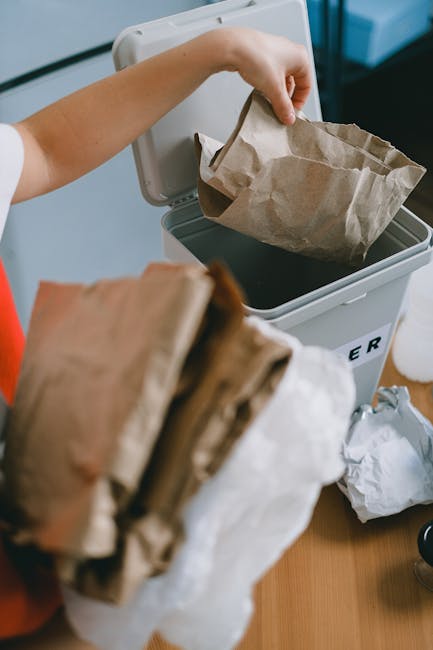
General household waste typically includes the usual mixed non-recyclable items: food packaging that cannot be recycled, broken household bits, swept-up debris, and similar everyday refuse. Recycling is for the items the local system accepts, which usually means clean, dry materials placed in the correct container. If something is greasy, contaminated, or stuffed inside another item, it may no longer be suitable. That small detail catches people out more often than you'd think.
Bulky items are another matter. Think mattresses, wardrobes, sofas, old appliances, and similar oversized pieces. These are not the kind of thing you simply leave beside a bin and hope for the best. They usually need a separate collection or an approved disposal arrangement. For households planning a larger clear-out, pages such as waste clearance in Highbury and rubbish collection in Highbury can be useful starting points when you want a broader view of disposal options.
If you are dealing with building work, the rules get stricter in practice. Rubble, timber offcuts, plasterboard, and mixed construction debris should not be treated like a normal weekly bin bag. For that, many residents and landlords look at builders waste disposal in Highbury because the volume, weight, and handling requirements are quite different.
Key Benefits and Practical Advantages
Following the local rubbish rules is not just about avoiding an awkward bin-sticker or a neighbour's complaint. There are several real benefits, especially in a place like Highbury where space is precious and shared living is common.
- Cleaner shared spaces: Proper sorting keeps bin stores, pavements, and front areas more pleasant.
- Fewer missed collections: When waste is separated properly, collection crews can do their job more smoothly.
- Less conflict with neighbours: Shared buildings can become tense over bins very quickly. Clear routines help.
- Better recycling outcomes: Cleanly sorted material is more likely to be handled properly rather than rejected.
- Safer handling of bulky waste: Heavy or sharp items are dealt with in a more sensible, controlled way.
- Less last-minute stress: A known system makes moving, decorating, or clearing space much easier.
There is also a quiet financial benefit. When you know what can be reused, recycled, donated, or removed in one go, you avoid paying for the same waste twice, which happens more often than people admit. Truth be told, a bit of planning beats a rushed decision every time.
Who This Is For and When It Makes Sense
This guidance is for anyone living, renting, managing, or clearing property in Highbury. That includes homeowners, tenants, landlords, letting agents, resident associations, and builders working on smaller domestic jobs. It is especially useful if you are in a flat or converted building where storage is limited and rubbish handling is more visible to neighbours.
You may need to pay closer attention to the rules if you are:
- moving into or out of a property
- having a declutter before sale or let
- disposing of furniture or appliances
- dealing with post-renovation waste
- sharing bins with other households
- trying to reduce fly-tipping risk around a communal area
It also makes sense if you are simply tired of playing bin roulette every week. You know the feeling: one person leaves the wrong bag out, everyone else suffers the smell and the mess. A little organisation goes a long way.
Step-by-Step Guidance
Here is a practical way to handle household rubbish in Highbury without overcomplicating it.
- Check your building setup. See whether you have individual bins, communal bins, or a managed bin store. The rules often depend on the site arrangement.
- Separate waste into categories. Keep general rubbish, recycling, food waste, garden cuttings, and bulky items apart from the start.
- Flatten and rinse where appropriate. Cardboard boxes, plastic containers, and tins are much easier to handle when they are empty and clean.
- Do not overfill bags or bins. Overstuffed bins are harder to empty and more likely to split. A sagging bag on the pavement is never a good look.
- Set out waste at the right time. Put bins out in line with local collection arrangements and bring them back in promptly.
- Plan separately for bulky or awkward items. Sofas, white goods, and renovation waste often need a different disposal route.
- Use a licensed disposal route for special loads. If you are arranging removal, check the provider is properly compliant and understands household waste handling.
- Keep proof of good practice where needed. Landlords, agents, and businesses often need clear records of how waste was handled.
A realistic example: say you are clearing a one-bedroom flat after a tenant move-out. The old lamp, broken desk chair, and a half-dismantled wardrobe will not fit into normal weekly bins. The sensible move is to sort what can be recycled, bag the true residual waste, and arrange a separate disposal solution for the larger pieces. Simple enough, but it saves a lot of backtracking later.
Expert Tips for Better Results
Small habits make rubbish management much easier. The best setups are usually boringly consistent, which is exactly what you want.
- Keep a "go" box or corner. Put items there during the week so they do not drift into every room.
- Break down cardboard early. A few flat boxes take up far less room than a stack of awkward ones.
- Watch for contamination. One greasy container can spoil a whole small batch of recycling, depending on the material type.
- Label shared bins if the building allows it. Especially helpful in smaller blocks where people get mixed up.
- Clear bulky waste before it becomes a pile. One chair is manageable. Three chairs, a rug, and a dismantled shelf suddenly feels like a project.
- Use dry storage where possible. Wet cardboard and soggy packaging are annoying to move and often unsuitable for recycling.
One thing people often forget is access. If the bin store is hard to reach, or there are narrow stairs and no lift, waste moves from "simple household task" to "why am I doing this on a Tuesday night?" quickly. In buildings like that, lighter, more frequent disposal is usually easier than waiting for a giant clear-out.
If you are also thinking about recycling more responsibly, it helps to read about recycling and sustainability. The best system is the one you can actually stick to, week after week, without it becoming a chore.
Common Mistakes to Avoid
Most rubbish problems are not dramatic. They are small mistakes repeated often. And yes, they can become surprisingly expensive in time and effort.
- Leaving waste out too early: This can create clutter, invite pests, and annoy neighbours.
- Mixing recycling with general rubbish: It reduces recycling quality and may lead to rejection.
- Dumping bulky items by the bin: This is one of the fastest ways to create a shared-eyesore situation.
- Ignoring access issues: Narrow hallways, stairs, and locked bin stores can make removal harder than expected.
- Using the wrong disposal route for construction waste: Builders' rubble and domestic rubbish are not the same thing.
- Assuming someone else will sort it out: In shared buildings, that usually ends badly. Very badly, actually.
There is also a subtle mistake people make: waiting until the waste becomes urgent. Once bags are stacked by the door, the task feels bigger, the room feels smaller, and the whole thing gets pushed into tomorrow. Tomorrow then becomes next week. We've all seen it happen.
Tools, Resources and Recommendations
You do not need fancy equipment to manage household rubbish well, but a few basic tools help a lot:
- Sturdy bin bags: Choose decent-quality bags that will not split halfway down the stairs.
- A hand trolley or sack truck: Useful for heavier items, especially in buildings with awkward access.
- Storage boxes: Good for keeping recyclables tidy before collection.
- Labels or tape: Helpful if several people share a bin area.
- Gloves: Sensible for handling dusty, sharp, or dirty items.
- Measuring tape: Slightly unglamorous, but handy for deciding whether a bulky item can be moved easily.
For property owners or managers, it is worth keeping a written routine for bin day, storage, and clear-out arrangements. A simple checklist posted in a communal area can do more than a dozen reminders on someone's phone. If you are comparing service options, the broader services overview is useful for understanding how different disposal needs are usually handled.
If you want to understand pricing structure before booking anything, the pages on pricing and quotes and real rubbish removal costs in Highbury can help you think more clearly about what affects the final figure.
Law, Compliance, Standards, or Best Practice
Household rubbish is a local service issue, but it also sits within broader waste-handling expectations. If you arrange for someone else to remove waste on your behalf, it is sensible to make sure they operate properly and understand the basics of lawful disposal. That is not being fussy; it is basic due diligence.
For residents, the main practical point is that waste should not be left where it causes obstruction, nuisance, or an environmental problem. In shared residential settings, building rules can also sit alongside council expectations, so you may need to follow both. If your managing agent has house rules about bin stores, those are worth treating seriously. They exist for a reason, even if they feel a bit over-specific on first reading.
When there is demolition, refurbishment, or a larger household clearance, best practice is to keep waste streams separate where possible and use a proper route for removal. That includes being careful with electricals, furniture, and anything that may contain materials requiring special handling. For more operational reassurance, you can review waste carrier licence and compliance and insurance and safety so you know what a responsible arrangement should look like.
There is no need to turn rubbish management into a legal seminar. Just keep the core principles in mind: sort properly, store safely, remove waste through the right route, and avoid creating hazards or nuisance for others. That is the standard most people should aim for.
Options, Methods, or Comparison Table
Different waste situations call for different methods. What works for a weekly kitchen bin will not suit a post-renovation clear-out. Here is a simple comparison to help you choose the right approach.
| Method | Best for | Strengths | Watch-outs |
|---|---|---|---|
| Normal household bins | Everyday non-recyclable rubbish | Simple, routine, usually low effort | Limited capacity; not for bulky items |
| Recycling collection | Clean, accepted recyclable materials | Good environmental outcome, easier sorting over time | Contamination can lead to rejection |
| Bulky waste removal | Furniture, appliances, mattresses | Handles awkward items properly | Usually needs advance planning |
| House clearance service | Moves, probate, end-of-tenancy, full declutter | Fast, practical, less stress on the household | Best when the volume is more than a few items |
| Builder-focused waste disposal | DIY, renovation, mixed construction debris | Designed for heavier, messier loads | Do not mix with ordinary domestic rubbish |
If you are unsure which method fits, ask yourself a simple question: is this normal weekly rubbish, or is it something bigger, heavier, or messier than usual? That one question usually points you in the right direction.
Case Study or Real-World Example
A common Highbury scenario looks like this: a couple moves out of a one-bedroom flat near a busy high street, and over a weekend they discover they have more waste than expected. There are three black bags of everyday rubbish, a broken dining chair, several flattened boxes, a kettle, and an old bedside table. The hallway is narrow, the lift is tiny, and the bin store is already full by midweek.
Instead of pushing everything into the same pile and hoping for the best, they split the waste into three groups. The recyclable cardboard is flattened and kept dry. The old kettle and similar items are separated for the correct handling route. The bulky chair and table are arranged for a dedicated removal method rather than dumped by the communal bins. The result is calmer, cleaner, and much less awkward for neighbours.
That is usually how it goes when things are handled properly. Not perfect. Not dramatic. Just smoother. And honestly, smoother is underrated.
Practical Checklist
Use this quick checklist before you put anything out or book a collection:
- Have I separated general rubbish from recycling?
- Is anything bulky, heavy, sharp, or awkward?
- Am I following the bin arrangement for my building?
- Have I kept items clean and dry where needed?
- Am I leaving waste out at the correct time, not too early?
- Do I know how this should be handled if it is furniture, appliance, or renovation waste?
- Have I checked access routes, stairs, lifts, or bin-store entry?
- If I am hiring help, is the provider properly compliant and insured?
It sounds basic, but a five-minute check can save you an afternoon of lifting, sorting, and muttering under your breath.
Get a free quote today and see how much you can save.
Conclusion
Understanding Islington council rules for household rubbish in Highbury is mostly about clarity and consistency. Once you know what belongs in the regular bins, what should be recycled, and what needs separate handling, the whole process becomes much less stressful. That matters in Highbury, where homes are busy, space is tight, and shared living can make small waste problems feel bigger than they should.
The key is simple: sort early, store neatly, and choose the right disposal route for anything beyond everyday rubbish. If you do that, you protect your home, keep shared spaces cleaner, and make life easier for everyone around you. Not a bad outcome for something as ordinary as rubbish, really.
And if you are dealing with a bigger clear-out, take it step by step. No need to rush or overthink it. A tidy plan is usually enough.