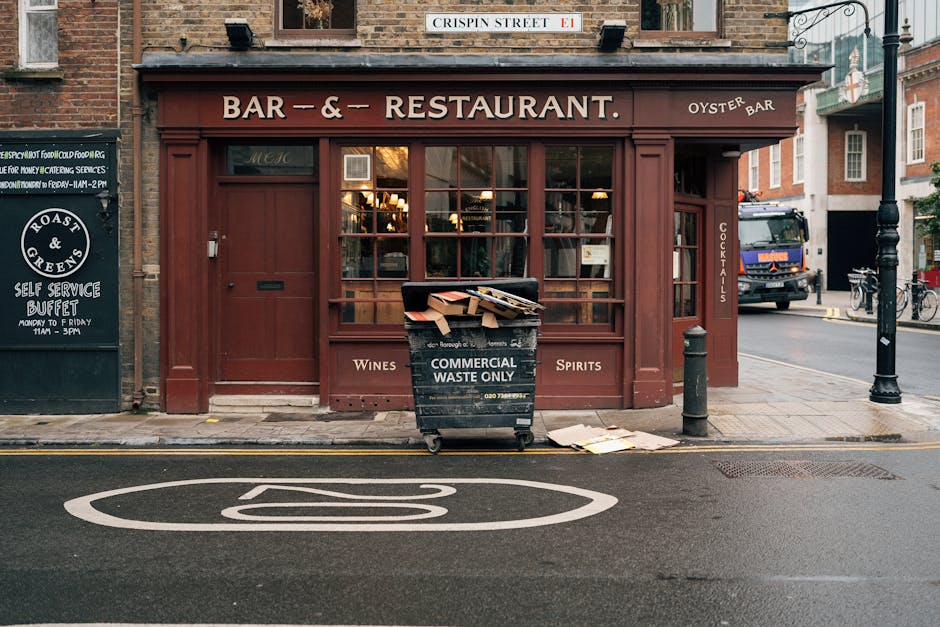
Rubbish removal for Highbury shops and offices
Posted on 14/06/2026
If you run a shop, cafe, studio, or office in Highbury, rubbish has a way of building up faster than you expect. One day it is a few cardboard boxes and a broken shelf. Next it is packaging, old fittings, filing cabinets, stockroom clutter, and a bin store that suddenly feels too small for real life. Rubbish removal for Highbury shops and offices is not just about making space; it is about keeping the day moving, protecting your team, and avoiding the awkward scramble when waste starts interfering with customers or staff.
This guide breaks down how commercial rubbish removal works in a busy North London setting, what to look for, and how to keep your premises tidy without turning the whole thing into a headache. You will also find practical steps, a checklist, and a realistic comparison of options so you can make a sensible decision. Let's face it, nobody wants a pile of junk becoming part of the brand experience.
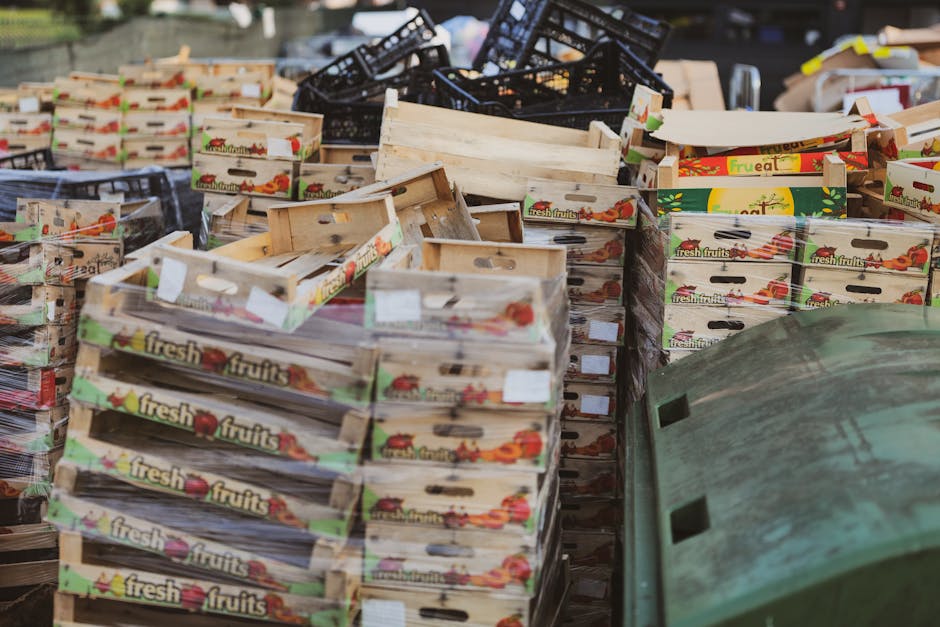
Why Rubbish removal for Highbury shops and offices Matters
Highbury is a busy, mixed commercial area, and that matters more than people think. Shops have constant packaging waste, seasonal displays, damaged stock, and customer-facing clutter. Offices have desk clear-outs, archive boxes, broken IT equipment, worn furniture, and the kind of miscellaneous stuff that somehow appears in every back room. If waste is not handled well, it affects operations in very ordinary but very real ways.
First, it affects safety. Trip hazards in stockrooms, blocked fire exits, overloaded bin areas, and bags left in corridors are all preventable problems. Second, it affects presentation. A tidy shop floor or reception area says a lot before you even speak to a customer. Third, it affects efficiency. Staff waste time moving rubbish around, waiting for collections, or trying to fit large items into bins that were never designed for them.
There is also the practical local angle. In areas like Highbury, access can be a bit fiddly. Parking restrictions, narrow loading spots, and time-sensitive deliveries all make waste removal more complicated than simply "put it out back." Good rubbish removal is not only about clearing items away. It is about doing it in a way that fits the rhythm of the business.
Key takeaway: the best rubbish removal solution is the one that keeps your business clean, compliant, and open for customers without creating extra disruption.
How Rubbish removal for Highbury shops and offices Works
In practical terms, commercial rubbish removal usually starts with an assessment of what needs clearing. That might be a one-off office move, a shop refit, a weekly overflow issue, or a mixed load of general waste, cardboard, and bulky items. The provider then decides what can be collected, what needs separate handling, and what equipment or labour is needed.
For many businesses, the process looks like this:
- Initial review: You identify the waste type, volume, and any access issues such as stairs, limited parking, or lift restrictions.
- Collection plan: A suitable time is chosen, ideally around trading hours or quieter periods if your business cannot easily pause.
- Removal: The team loads waste from the premises, stockroom, or office space. For larger jobs, this may involve dismantling or sorting on site.
- Sorting and disposal: Reusable, recyclable, and general waste streams are separated where appropriate.
- Final clearance: The space is left clear enough for immediate use, which is the bit you really care about, truth be told.
Depending on the provider and the job, rubbish removal may be arranged as a one-off clearance or an ongoing collection service. Shops often need regular collection support for packaging and fit-out waste, while offices may only need periodic help after moves, refurbishments, or large de-clutter projects.
If you are dealing with mixed premises, such as a shop with an office upstairs, it is worth planning the waste flow properly. Otherwise, everything ends up in the same corner. And that corner becomes a problem.
Key Benefits and Practical Advantages
The obvious benefit is a cleaner space. The less obvious benefits are usually the ones that matter most over time.
- More usable space: Storage rooms, back offices, and delivery areas stay functional instead of becoming accidental dumping grounds.
- Better customer impression: A tidy entrance or retail floor feels calm, organised, and trustworthy.
- Reduced staff frustration: Teams work better when they are not stepping around boxes or waiting for the "junk pile" to be dealt with.
- Lower disruption: Professional removal reduces the need for staff to handle heavy or awkward items themselves.
- Improved recycling outcomes: Cardboard, metal, and some office materials can often be separated more effectively than in ordinary bin use.
- More predictable operations: A scheduled collection routine stops waste from becoming a last-minute panic.
There is also a slightly underrated benefit: peace of mind. When rubbish is under control, you spend less mental energy on the background mess. That sounds small, but in a busy shop or office, it is not small at all.
For businesses that are already juggling deliveries, staffing, and customer service, reliable rubbish removal often becomes one of those quiet systems that keeps everything else easier.
Who This Is For and When It Makes Sense
Rubbish removal for Highbury shops and offices makes sense for a wide range of businesses, especially where waste is irregular, bulky, or too awkward for ordinary bins.
Retail shops
Clothing stores, convenience shops, beauty retailers, independent boutiques, and specialist sellers all tend to produce a mix of packaging, damaged stock, hangers, cardboard, and display materials. Refits and seasonal changes create extra waste very quickly. One minute it is a tidy stockroom, the next it is a pile of flat-pack packaging and old shelving.
Offices
Offices usually need help with paper archives, desks, chairs, monitors, cables, and old storage furniture. If a move or renovation is happening, the waste volume can jump sharply. You do not notice how much stuff a small office holds until the clear-out starts. Then, suddenly, everything has a story.
Hospitality and customer-facing premises
Cafes, salons, studios, clinics, and reception-led businesses often need discreet removal of packaging, broken fixtures, old furniture, and fit-out waste. Cleanliness matters here because customers notice details.
Property managers and landlords
When units are handed over, cleared between tenants, or prepared for re-letting, rubbish removal is often part of the job. It is usually easier to deal with the clearance in one organised sweep than to keep returning for "just one more bit."
If you are unsure whether your business needs it, a simple test helps: if the waste is taking up space that should be used for trading, storage, or staff movement, you probably need professional help.
Step-by-Step Guidance
A good rubbish removal job is rarely complicated, but it is much smoother when the basics are done properly.
- Walk the space. Identify what needs removing and group it by type: cardboard, general waste, wood, furniture, electrical items, and anything potentially hazardous.
- Separate obvious recyclables. Cardboard and clean packaging should be kept apart where possible. It saves time later and usually makes the whole process tidier.
- Check access. Think about stairs, lifts, tight doorways, rear access, parking restrictions, and collection timing. In Highbury, this can make or break a smooth pickup.
- Flag anything special. Large cabinets, glass items, computer equipment, and anything with sharp edges or liquid residue need a bit more care.
- Choose the right service level. A small office clear-out does not need the same setup as a retail refit.
- Book a realistic slot. If the business opens at 9 a.m., do not expect a stress-free collection at 8:55 unless everybody is on the same page.
- Prepare the items. Break down what can be broken down. Bundle similar items. Keep walkways clear.
- Confirm the end point. Decide whether you want removal only or full sweep-up too. The extra clarity is worth it.
A practical tip: assign one person to oversee the clear-out, even if the team is small. It stops confusion and prevents the classic situation where three people think someone else has handled the same pile.
Expert Tips for Better Results
Small decisions make a big difference with commercial waste. A few habits will save you time, money, and the occasional headache.
- Keep waste streams separate from the start. Mixed waste is harder to manage, and it often leads to more sorting on site.
- Use a "clear-out zone." Set one area for items awaiting removal. It keeps the rest of the premises usable.
- Schedule around trading patterns. Early morning or late afternoon collections can reduce disruption, especially for customer-facing shops.
- Plan for bulky items first. Furniture, fixtures, and packaging from new stock usually create the most immediate clutter.
- Ask about lifting and loading. Some jobs sound simple until a heavy filing cabinet has to come down two flights of stairs. Not fun.
- Keep records for regular collections. Even basic notes on volumes, timings, and problem items help you improve the process over time.
One thing we see a lot is businesses waiting until everything is in a complete mess before acting. Fair enough, it happens. But if you deal with waste earlier, the job is quicker, cleaner, and usually cheaper to organise.
Another useful habit is to think in terms of "what will still be here in two weeks?" If the answer is "probably this box mountain," it is time to sort it out.

Common Mistakes to Avoid
Most rubbish removal problems are avoidable. The trouble is, they often look small at first.
- Leaving everything until the last minute: This creates panic, especially if access is tight or the premises are busy.
- Mixing all waste together: It can slow things down and make disposal less efficient.
- Forgetting about access: A van cannot magically appear where parking is not available. I wish it could.
- Underestimating volume: Boxes and furniture usually take more room than expected once they are stacked together.
- Ignoring special items: Electrical equipment, sharp materials, or contaminated waste may need different handling.
- Not confirming timing: A clear-out during peak customer hours is rarely a good idea.
Another mistake is assuming all "rubbish removal" is the same. It is not. The practical setup for a boutique shop differs from an office archive clearance or a post-refurbishment clean-up. The more precise you are, the better the result.
Tools, Resources and Recommendations
You do not need a warehouse full of equipment to get organised, but a few simple tools help a lot.
- Heavy-duty bin bags: Useful for general waste and loose materials.
- Cardboard cutters or box tools: Handy for breaking down packaging safely.
- Marker pens and labels: Good for marking items for reuse, recycling, or disposal.
- Reusable crates or tubs: Better than flimsy bags for files, office supplies, or smaller stock items.
- Trolleys or sack trucks: Useful for moving bulky items through corridors or stockrooms.
- PPE such as gloves and sturdy footwear: Sensible for staff helping with preparation.
For businesses that want better long-term control, it also helps to keep a very simple waste log. Nothing fancy. Just note the date, the waste type, and whether the clear-out was routine or linked to a refurbishment, stock change, or office move. After a few months, patterns become obvious. That is useful when planning the next one.
If you are comparing providers, ask practical questions: Can they handle mixed loads? Do they work around opening hours? Can they manage bulky items and stair access? Do they help with sweep-up after removal? Those answers matter more than a polished sales pitch.
Law, Compliance, Standards, and Best Practice
Waste from commercial premises is not the same as household rubbish, so it should be managed with care. UK businesses have duties around keeping waste secure, using appropriate carriers, and ensuring waste is handled responsibly. The exact requirements depend on the type of waste and the circumstances, so it is wise to treat compliance as a practical business issue rather than a box-ticking exercise.
In plain English, that means:
- do not leave waste where it could blow away, leak, or attract pests;
- separate recyclable materials where possible;
- make sure electrical equipment and sensitive items are handled appropriately;
- avoid using unknown or informal disposal routes;
- keep the premises safe for workers, customers, and visitors during the clearance process.
For offices, data-bearing items deserve special care. Old files, hard drives, and paperwork should not be treated like ordinary clutter if they may contain sensitive information. For shops, cardboard, plastics, display materials, and damaged stock often form a large part of the waste stream, so planning separation in advance makes a difference.
Good practice is simple: use a provider that understands commercial waste, give clear instructions, and keep your own records tidy. That way, if anything needs checking later, you are not trying to remember which pile was which.
Options, Methods, and Comparison
There is no single best method for every business. The right choice depends on how often you generate waste, what kind it is, and how much disruption you can tolerate.
| Option | Best for | Advantages | Limitations |
|---|---|---|---|
| Regular scheduled collection | Shops and offices with steady waste output | Predictable, low-drama, easier to budget around | May not suit sudden bulky clear-outs |
| One-off commercial clearance | Refits, moves, overfilled stores, office declutters | Fast, flexible, useful for large items | Can be more expensive if the job is bigger than expected |
| Self-managed disposal | Very small volumes or simple materials | Feels cheap at first, full control over timing | Staff time, transport hassle, and higher risk of delays |
| Hybrid approach | Businesses with both routine waste and occasional bulk items | Balanced and practical | Needs a bit more planning |
For most Highbury businesses, a hybrid approach works well. Regular waste gets dealt with on a routine basis, and bulk items are handled separately when needed. That keeps day-to-day operations calmer, which is what you want.
Case Study or Real-World Example
Consider a small independent shop in Highbury preparing for a seasonal refresh. The team has new stock arriving, older display units to remove, flattened packaging everywhere, and a storage room that has slowly become a "we'll sort it later" zone. Nothing dramatic on its own. Together, though, it starts to crowd the workspace.
The sensible move is to group the waste before collection day: cardboard in one area, damaged fittings in another, and anything reusable set aside for separate reuse or donation decisions. The shop manager books collection for a quieter part of the morning, before the main customer rush, and makes sure the rear access route is clear. That little bit of planning means the removal is done without blocking the till area or asking staff to keep stepping over boxes all day.
The result is not just a cleaner room. The team can restock faster, customers are not met with clutter, and the shop floor feels back in control. Small thing, maybe. But in retail, small things are the whole game.
Office clear-outs follow a similar pattern. A law firm, design studio, or admin office might not generate much waste daily, but one archive clean-up or furniture replacement can create a surprising amount of bulk. If the clearance is done in stages, with attention to access and item type, the process is usually smooth and much less disruptive than people fear.
Practical Checklist
Use this checklist before arranging rubbish removal for your Highbury shop or office:
- Identify exactly what needs removing.
- Separate cardboard, general waste, furniture, and electrical items.
- Check for anything sharp, heavy, fragile, or confidential.
- Measure or estimate the amount of waste, even roughly.
- Review access points, stairs, lifts, parking, and loading restrictions.
- Choose a collection time that fits your trading hours.
- Make one person responsible for overseeing the job.
- Clear walkways and protect customer or staff areas.
- Ask whether sweep-up or final tidy-up is included.
- Keep a note of what was removed for future planning.
If you can tick off most of those points, you are in good shape. If not, there is still time. That is the lovely thing about clear-outs: a bit of order goes a long way.
Conclusion
Rubbish removal for Highbury shops and offices is really about keeping business space usable, presentable, and safe. Whether you are dealing with routine waste, a one-off clear-out, or the after-effects of a refit, the right approach saves time and reduces stress. It also helps your staff work better and leaves a better impression on customers and visitors.
The best results usually come from simple habits: sort waste early, plan access properly, choose the right collection window, and do not leave bulky items to become tomorrow's problem. That sounds obvious, but in busy commercial spaces, obvious is often what gets missed.
If your premises are starting to feel crowded, noisy, or just a bit too full of "temporary" clutter, now is the time to deal with it. A tidy workspace is not glamorous, but it changes the day in a real way. And honestly, there is something quietly satisfying about seeing a room breathe again.
Get a free quote today and see how much you can save.